

Next-Generation GLP-1 Therapies Are Reshaping the Future of Obesity Treatment
The success of GLP-1 medicines has changed the way healthcare professionals view obesity and metabolic diseases. Over the past few years, drugs such as semaglutide and tirzepatide have shown that significant weight loss can be achieved through medication, offering new hope for millions of people living with obesity. As demand for these treatments continues to grow, pharmaceutical companies are now working on the next generation of GLP-1 therapies that aim to deliver even greater benefits.
These new treatments are designed not only to help patients lose weight but also to improve overall health, reduce side effects, and provide more convenient dosing options. As a result, next-generation GLP-1 therapies have become one of the most closely watched areas in the pharmaceutical industry.
Understanding GLP-1 Therapy
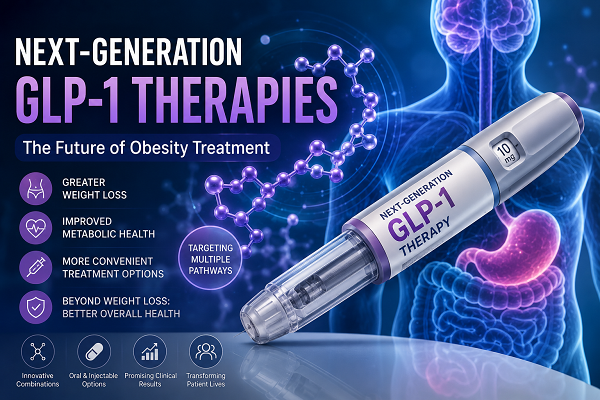
GLP-1, or glucagon-like peptide-1, is a natural hormone produced in the intestine after eating. It helps regulate blood sugar levels, slows stomach emptying, and sends signals to the brain that create a feeling of fullness.
GLP-1 medicines work by mimicking the action of this hormone. Patients often eat less, feel satisfied for longer periods, and experience gradual weight loss. Many of these drugs were initially developed for type 2 diabetes before researchers discovered their strong impact on body weight.
The success of current GLP-1 therapies has led researchers to explore new ways of improving their effectiveness.
What Makes Next-Generation Therapies Different?
The next wave of obesity treatments is moving beyond traditional GLP-1 drugs. Researchers are developing medicines that target multiple biological pathways at the same time.
Some experimental therapies combine GLP-1 activity with other hormones involved in appetite control and energy balance. By targeting several pathways, these treatments may help patients achieve greater weight loss while maintaining muscle mass and improving metabolic health.
Many companies are also working on oral medicines that could replace injections. While weekly injections have proven effective, some patients prefer the convenience of a daily pill. Oral therapies could make obesity treatment more accessible and improve long-term patient adherence.
Focus on More Than Weight Loss
One of the most important developments in next-generation GLP-1 research is the growing focus on overall health outcomes.
Researchers are studying how these therapies affect heart disease, kidney disease, liver conditions, and other obesity-related complications. Early findings suggest that some GLP-1-based treatments may offer benefits beyond weight management.
This broader approach reflects a changing view of obesity. Instead of treating obesity as a lifestyle issue, healthcare providers increasingly recognize it as a chronic disease that affects multiple organs and systems throughout the body.
Pharmaceutical Companies Race to Innovate
The commercial success of existing GLP-1 medicines has sparked intense competition among pharmaceutical companies. Major drug manufacturers and biotechnology firms are investing billions of dollars in obesity research programs.
Numerous drug candidates are currently being evaluated in clinical trials. Some are investigating combination therapies, while others are developing entirely new approaches to metabolic disease treatment.
This competitive environment is accelerating innovation and creating opportunities for new therapies to enter the market over the next several years.
Challenges Facing the Market
Despite the excitement, several challenges remain. Manufacturing capacity continues to be a major concern as demand for obesity medications grows worldwide. Supply shortages have affected access to some treatments, highlighting the need for expanded production capabilities.
Cost is another important issue. Many obesity medicines remain expensive, and insurance coverage varies significantly across different countries and healthcare systems. Improving affordability will be essential if these therapies are to reach a larger patient population.
Researchers are also working to better understand the long-term effects of treatment. While current data are encouraging, additional studies will help determine how these medicines perform over many years of use.
The Future of Obesity Care
The next generation of GLP-1 therapies represents one of the most significant developments in modern medicine. Scientists are no longer focused solely on helping patients lose weight. Instead, they are working to create treatments that improve overall metabolic health and reduce the risk of serious diseases associated with obesity.
As more candidates enter clinical trials and new data become available, the obesity treatment landscape is expected to evolve rapidly. Improved effectiveness, greater convenience, and broader health benefits could make next-generation GLP-1 therapies an important part of healthcare for years to come.
For patients, healthcare providers, and the pharmaceutical industry, these advances signal a future where obesity can be managed more effectively than ever before. The coming decade may ultimately redefine how metabolic diseases are treated and how long-term health outcomes are improved across global populations.